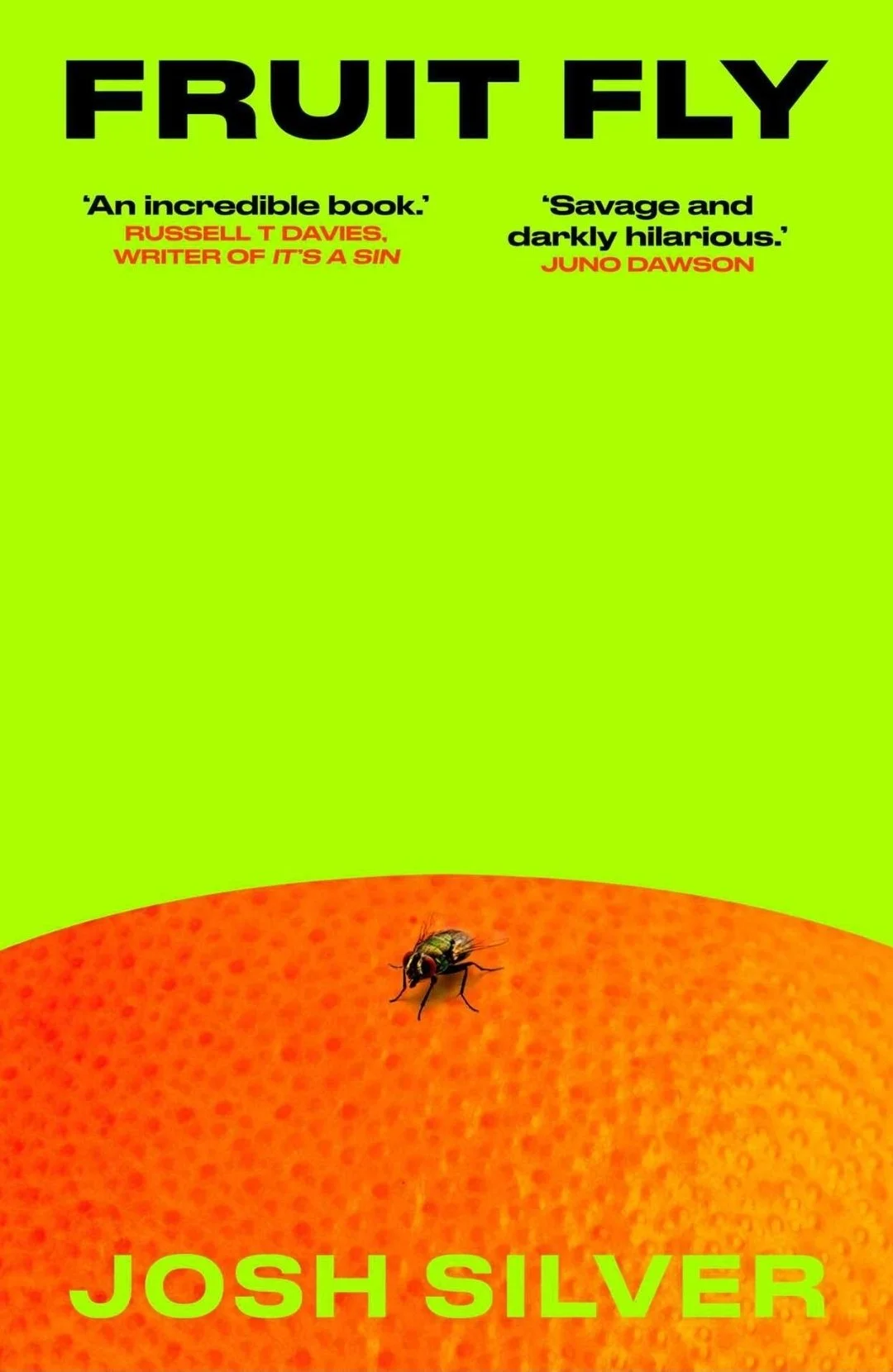
My reflections on Fruit Fly by Josh Silver
There is no doubt that Fruit Fly is an addictive read, one that asks probing questions about authenticity in fiction, digs to the heart of what it means to process or to project trauma, and builds to a satisfying and entertaining climax. I could not put this down, and have been thinking about it for days. It reminded me of Yellowface by R.F. Kuang, another satirical novel about the stories writers choose and the appropriation of other people’s experiences, trauma, or identity.
Struggling writer, Mallory Maddox, and vulnerable young drug addict, Leo, could not, on the surface, be more different. Mallory is wealthy, has a best-selling novel under her belt (albeit seven years ago followed by a crippling writer’s block) and lives in a beautiful home with her BBC producer husband. Leo is homeless, trades sex for money and drugs, and is an addict. And yet as the novel develops, we see their stories begin to merge. Josh Silver’s mirroring of these two characters is expertly done, bringing into high relief the way they both hide from the traumas of their pasts, perform identities that they feel protect them, and live recklessly and compulsively, driven by their different addictions.
I haven’t read any reviews of this book yet, but I can imagine (from my own experience of writing ‘unlikeable’ female characters who are struggling with their mental health), that readers have a lot to say about Mallory Maddox. She does many unforgivable things: using a vulnerable young gay man as material for her novel; pretending to care for him as a therapist and then mining his trauma for her own gain; refusing to acknowledge his part in her work and instead claiming it is about her brother. But the more we get to know her, the more cracks we can see in the exterior ease of her life. She has been hiding from her traumatic past for so long that she is blind to the reality of what she is doing. Rather than process her own trauma, she projects it onto Leo, continuing the destructive cycle of her behaviours.
I kept thinking, why can’t she find something authentic to write about? Why does she need to steal Leo’s story when she’d never even heard of chemsex or T-parties or been to an AA meeting until the night she makes the decision to do whatever it takes to write a bestseller? But the claustrophobia of her marriage and the toxic control of her mother and her husband, have worn her down and the reader starts to understand why she is projecting her trauma onto Leo rather than facing it herself.
Leo knows that he lies to protect himself. He’s been doing it for years, a survival instinct when the people he goes to for help have stopped believing in him. The question of where his trauma comes from creeps into clarity throughout the novel, with a confronting conclusion (I’ll avoid spoilers!). It is in Leo’s voice, a sharply written combination of desperation, wry humour, and self-awareness, that the tension between performing an identity and examining reality comes into play.
Perhaps what made this novel so compelling was the playfulness of its layers, how it explored pain and trauma and questions of authenticity, while at the same time exposing how performative our lives can be. Even the stories we tell ourselves about ourselves serve a purpose: sometimes protective, sometimes self-defeating, sometimes a defense against our fears. Mallory and Leo become deeply entangled in each other’s storytelling, and they lose the ability to recognise what is true and what is a projection. It reminded me of the way transference happens in therapy - but neither Mallory nor Leo has the safety of a consistent and contained therapeutic relationship to help them separate out reality from delusion.
Fruit Fly begins as a comedy and shifts into a psychological thriller, and it kept me guessing until the final page.